 中文简体
中文简体

Card Shape Spray Bottle | Design, Use & Selection Guide
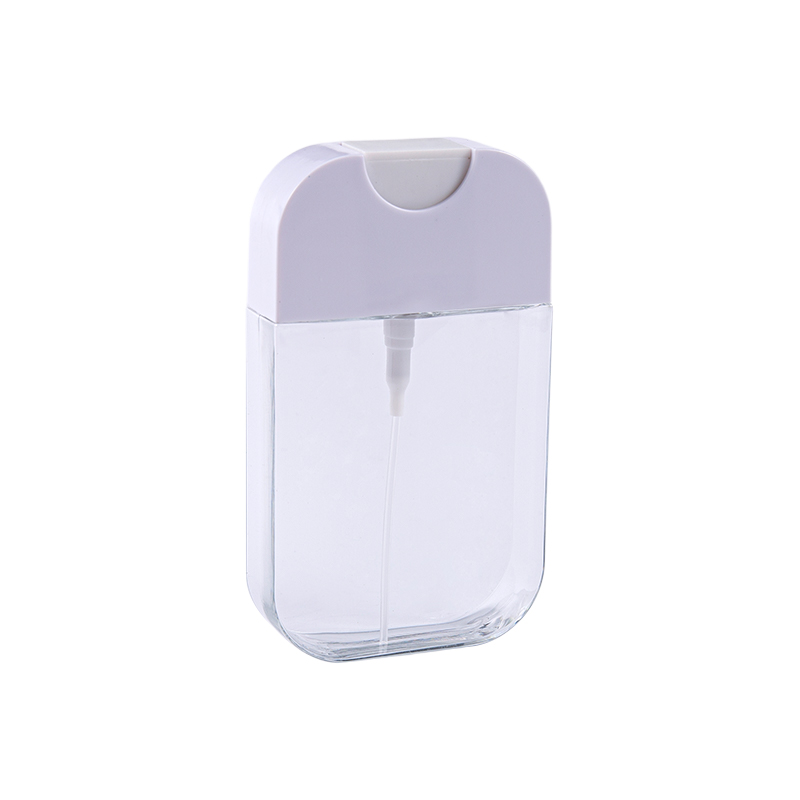
Compact liquid dispensing needs, from travel-size sanitizer to sample-size skincare, have driven demand for packaging that fits easily into a pocket or bag. A Card Shape Spray Bottle addresses this need with a slim, flat profile that distinguishes it from traditional cylindrical spray bottles, while still delivering a functional pump-spray mechanism for controlled liquid dispensing.
Design and Working Principle
The defining feature of this bottle format is its flattened, card-like body, which typically measures thin enough to fit into a wallet pocket, bag pouch, or garment pocket. Despite the reduced width, the bottle retains a functional spray pump assembly, consisting of a dip tube, piston pump, and nozzle head, similar in mechanism to standard spray bottles but adapted to a narrower internal chamber.
Pressing the nozzle actuates the piston, drawing liquid up the dip tube and forcing it through the nozzle orifice as a fine mist. Because the internal chamber is narrower than a round bottle of equivalent volume, dip tube placement and pump calibration are adjusted during manufacturing to maintain consistent draw and spray performance across the usable liquid volume.
Technical Specifications and Material Considerations
| Specification | Typical Detail |
|---|---|
| Capacity Range | Commonly 5ml to 30ml for portable formats |
| Body Material | PET or PP plastic, chosen for clarity or chemical resistance |
| Pump Mechanism | Manual piston pump with fine mist nozzle |
| Cap Type | Snap-fit or twist-lock protective cap |
| Thickness Profile | Flattened body, typically under 15mm thick |
| Seal Type | Gasket or friction seal at pump collar |
Material selection affects both chemical compatibility and durability. PET offers good clarity and is generally compatible with water-based and alcohol-based liquids, while PP offers slightly higher chemical resistance for a broader range of formulations. The seal at the pump collar plays a central role in preventing leakage, particularly given the compact internal volume and frequent handling associated with portable use.
Application Scenarios
The slim form factor makes this bottle format particularly suited to applications where portability and discreet carrying matter as much as function. It is frequently selected for products intended to be carried daily rather than stored at a fixed location, distinguishing its use case from bulkier spray bottle formats intended for household or industrial settings.
Comparison With Standard Round Spray Bottles
| Feature | Card Shape Spray Bottle | Standard Round Spray Bottle |
|---|---|---|
| Profile | Flat, slim, card-like | Cylindrical |
| Portability | Fits pockets and slim pouches | Requires more bag space |
| Typical Capacity | Smaller volume range | Wider volume range, including larger sizes |
| Refill Access | Often narrower fill opening | Generally wider fill opening |
| Best Suited For | Personal carry and travel use | Household, commercial, or bulk use |
Spray Bottle Card Type Guide: Choose the Right Spray Bottle
Selecting an appropriate Card Shape Spray Bottle depends on matching the format to its intended liquid and use pattern. Key factors to review include:
- Confirming material compatibility with the liquid being dispensed, particularly for alcohol-based or acidic formulations
- Reviewing capacity against expected frequency of use before refilling is needed
- Checking nozzle spray pattern, since fine mist and direct stream nozzles suit different applications
- Assessing cap security to prevent accidental actuation during carry
- Considering refill opening size relative to how easily the bottle can be topped up
How to Refill a Card Type Spray Bottle
- Remove the protective cap and locate the fill opening, which may be the pump assembly itself or a separate fill port.
- If refilling through the pump assembly, gently unscrew or unclip the pump collar to expose the internal chamber.
- Use a small funnel or dropper to add liquid slowly, avoiding overfilling past the internal fill line if present.
- Reattach the pump assembly securely, ensuring the seal is properly seated to prevent leakage.
- Test the spray function with a few pumps over a sink or cloth before returning the bottle to regular use.
How to Open a Card Spray Bottle: A Step-by-Step Guide
- Identify the cap type, as some models use a snap-fit cap while others use a twist-lock design.
- For snap-fit caps, apply gentle upward pressure at the seam or designated release point.
- For twist-lock caps, rotate counterclockwise while holding the bottle body steady.
- Avoid excessive force, which can damage the cap hinge or internal pump seal.
- If the cap does not release easily, check for a locking tab or safety catch that may need to be pressed first.
Cleaning and Maintaining the Card Spray Bottle
Routine cleaning helps maintain consistent spray performance and prevents residue buildup inside the narrow internal chamber. After emptying the bottle, rinsing the internal chamber with warm water and allowing it to air dry fully before refilling helps prevent product buildup around the dip tube and pump seal. For bottles used with oil-based or thicker formulations, occasional flushing with a mild cleaning solution can help clear residue from the nozzle orifice, which is more prone to blockage given its small diameter. The cap and pump exterior should also be wiped down periodically, particularly if the bottle is carried in a bag alongside other items.
Can I Put Isopropyl Alcohol in a Plastic Spray Bottle?
Isopropyl alcohol is generally compatible with PP plastic bottles, which offer stronger resistance to solvent-based liquids compared to some other plastic types. PET bottles can also tolerate isopropyl alcohol for short-term or intermittent use, though prolonged exposure may gradually affect clarity or structural integrity depending on concentration. Reviewing the material specification of a specific bottle before use is recommended when dispensing alcohol-based solutions, particularly at higher concentrations.
Common Issues and Troubleshooting
Stuck Cap
A stuck cap is often caused by dried residue around the seam or a misaligned locking tab. Gently working the cap back and forth while checking for a release catch typically resolves this without forcing the mechanism.
Leaking Bottle
Leakage is commonly linked to an improperly seated pump collar, a worn gasket seal, or overfilling beyond the internal fill line. Reseating the pump assembly and confirming the seal is intact usually addresses minor leaks.
Broken Spray Mechanism
A non-functioning spray mechanism may result from a clogged nozzle, a dislodged dip tube, or wear in the piston pump after extended use. Clearing the nozzle orifice and checking dip tube placement are reasonable first troubleshooting steps before considering the pump assembly worn beyond repair.
Conclusion
A Card Shape Spray Bottle offers a practical packaging solution for liquids intended to be carried rather than stored, combining a slim profile with functional pump-spray performance. Understanding its construction, refill process, cleaning practices, and common troubleshooting points supports more informed decisions when selecting this bottle format for travel, sample, or personal care applications.
Frequently Asked Questions
How do I refill a card type spray bottle?
Remove the cap, access the pump assembly or fill port, add liquid slowly with a funnel or dropper, and reseat the pump securely before testing the spray.
How do I open a card spray bottle?
Identify whether the cap is snap-fit or twist-lock, then release it with gentle pressure or rotation rather than excessive force.
Can I put isopropyl alcohol in a plastic spray bottle?
PP bottles generally tolerate isopropyl alcohol well, while PET bottles can handle intermittent use, though checking the specific material rating is recommended for higher concentrations.
How do I clean and maintain a card spray bottle?
Rinse the internal chamber after emptying, allow it to air dry before refilling, and periodically flush the nozzle to prevent residue buildup.
Why does the spray bottle cap get stuck?
A stuck cap is usually caused by dried residue at the seam or a misaligned locking tab, which can typically be resolved without forcing the cap open.
Why is my card spray bottle leaking?
Leaks are often due to an improperly seated pump collar, a worn seal, or overfilling past the recommended fill line.
What should I do if the spray mechanism stops working?
Check for a clogged nozzle or dislodged dip tube first, since these are common causes before considering the pump assembly worn out.





Bản quyền thuộc về © Thiệu Hưng Shangyu Haibo Spray Plastic Co., Ltd.Bảo mật Nhà sản xuất chai nhựa xịt & bơm OEM/ODM
浙ICP备2021023122号